
Finding Joy in Uncertain Times: What a Takoma Park Street Festival Taught Me About Community
On community, Black cultural expression, emotional well-being, and the quiet power of showing up for yourself.
Last weekend, I attended the annual Takoma Park Street Festival for the second time since moving to the Washington, DC, area. I missed the H Street Festival the month before because I wasn’t feeling up to it and was experiencing a bit of birthday blues. But last week, I managed to muster up some energy and make my way over to Takoma Park.
Spoiler alert: I am so glad I did.
The day began drearily, with autumn clouds covering the sky and a wind chill signaling the arrival of a new season in DC. I woke up early but allowed myself a slow morning after a particularly demanding week of work and school. I was on the phone with my mother when a fire alarm suddenly sounded throughout my apartment complex, startling me out of my morning routine.
Initially, I convinced myself it was probably a fire drill. Surely, I could stay inside and wait it out. But the alarm continued, growing even louder as it seemed to spread from my floor to the entire building. Eventually, I realized this was not the sort of situation I could simply ignore.
I hurriedly threw on a pair of jogger shorts and a T-shirt and headed outside, completely unprepared for just how cold it was.
That was my first experience with a fire alarm since moving into the building, and I sincerely hope it is my last. The sound was excruciatingly loud. As I stepped outside, I realized I was among the last residents to evacuate and was greeted by a crowd of neighbors, most of whom I had never actually met.
I spotted a friendly neighbor, and the three of us—my neighbor, my mother on the phone, and me—discussed the possible causes of the alarm and collectively complained about the less-than-ideal start to our Sunday morning. Thankfully, the firefighters arrived shortly afterward, quickly got everything under control, and allowed us to return inside.
On our way back in, I mentioned the Takoma Park Street Festival to a few neighbors, hoping to find someone who might want to accompany me. Unfortunately, I had no takers. Everyone seemed to agree that Sunday was simply not the day to leave the house.
For someone who was already feeling a little down, that wasn’t exactly encouraging. Combine my existing birthday blues with the gloomy weather and an apparent lack of enthusiasm from those around me, and I had more than enough reasons to crawl back into bed.
And that’s precisely what I did.
I settled right back under the covers and took a brisk nap. But when I woke up, I realized there were only a few hours left of the festival. I could either let my negative thoughts win or get up, get dressed, and see what the day still had to offer.
Eventually, I chose the latter.
The Quiet Power of Showing Up
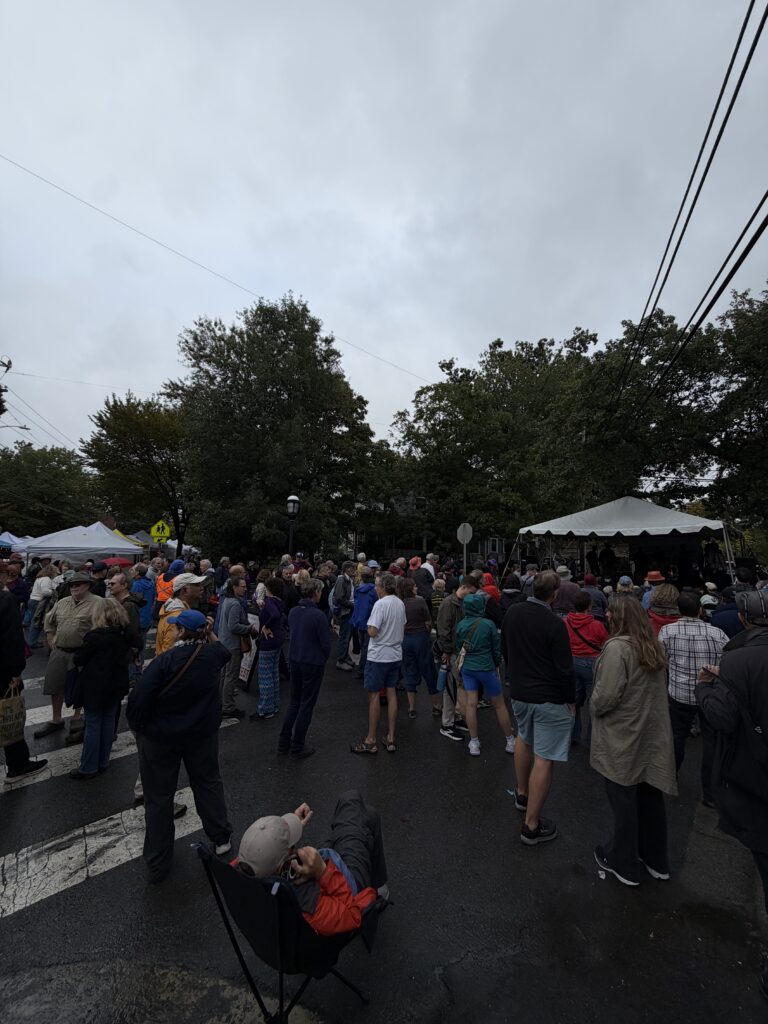
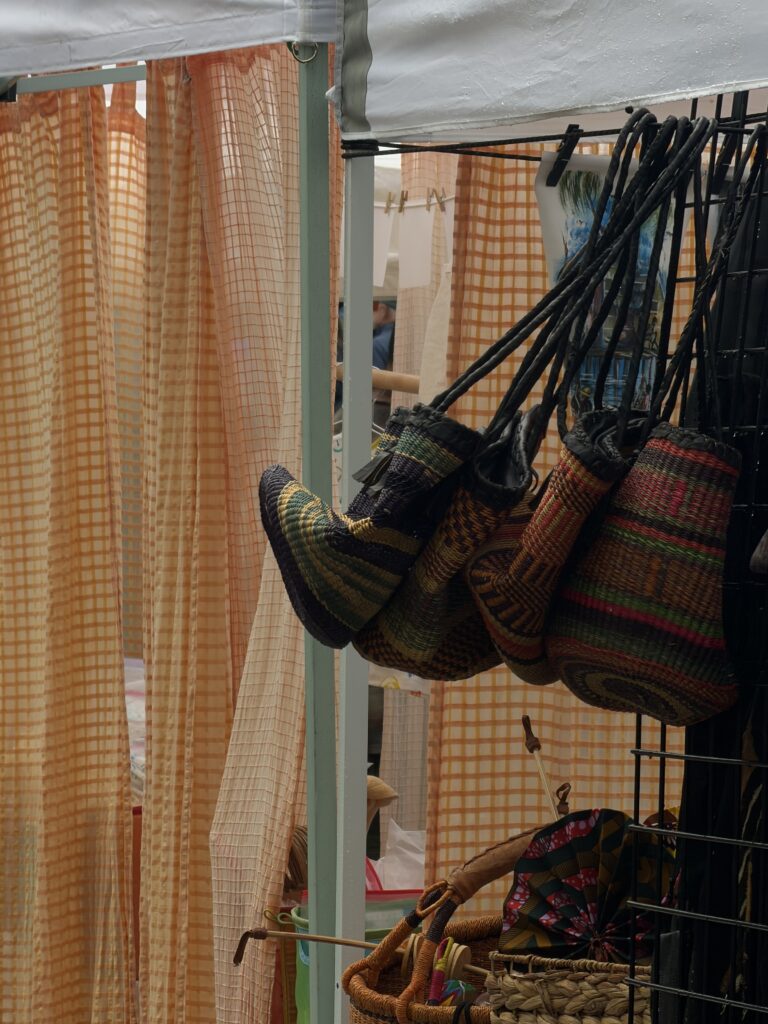
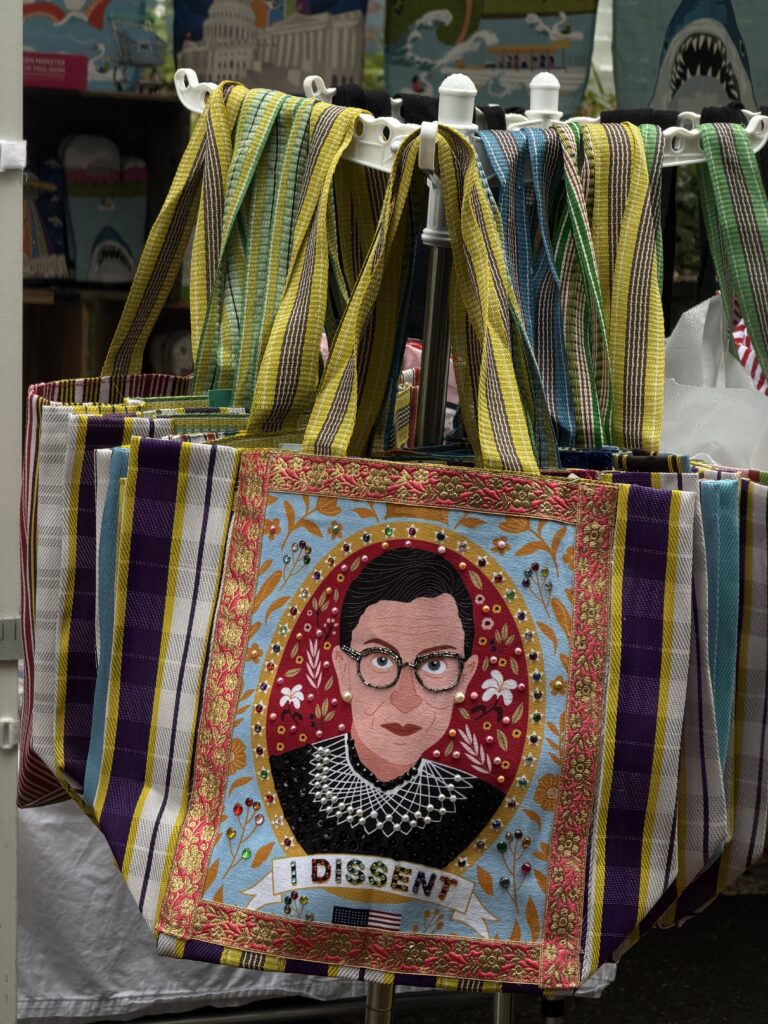
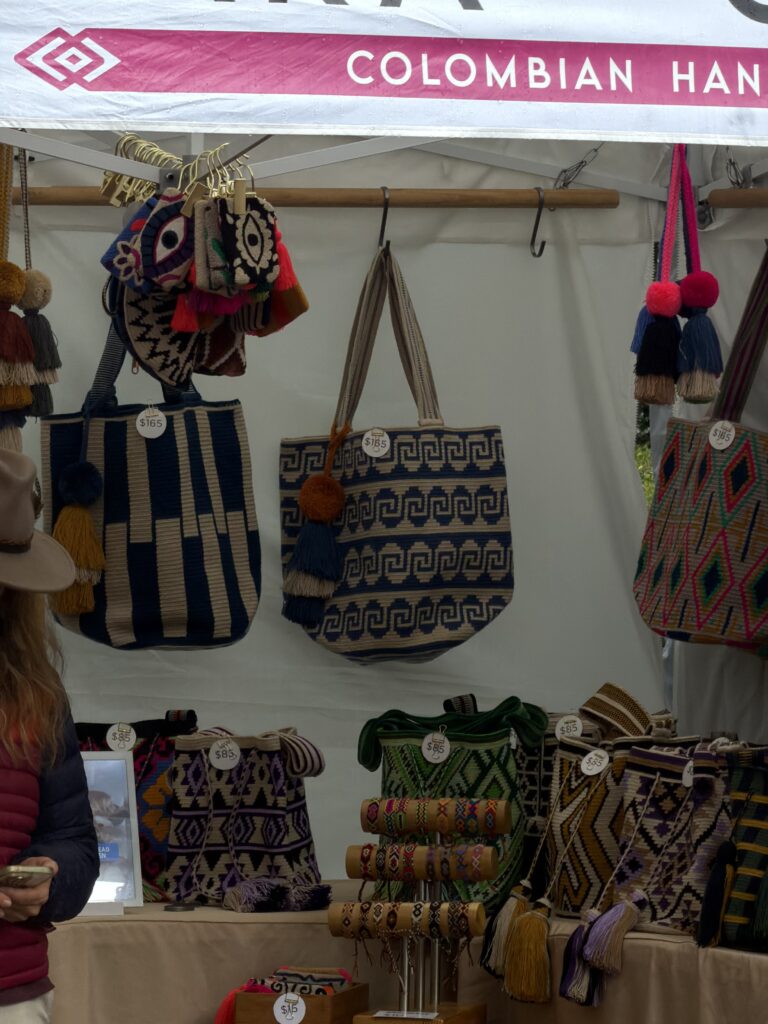
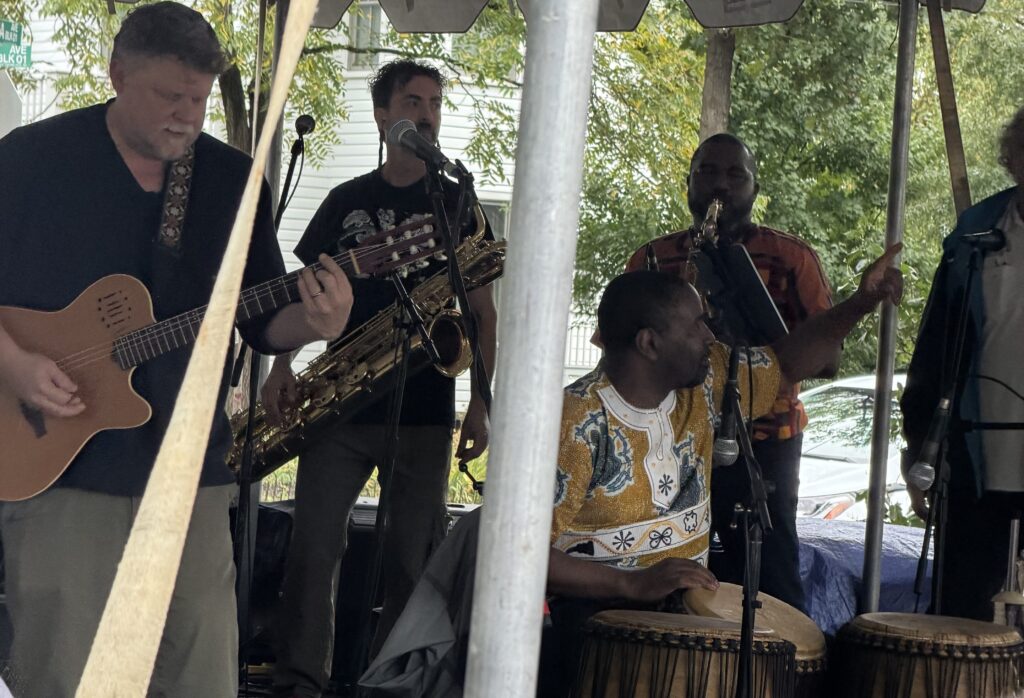
I arrived just in time to catch a few performances and purchase food and goods from local vendors and community businesses. I caught several wonderful acts, including an indie band, a folk band, a Bob Dylan tribute band, and my favorite performance of the day: an Afro-jazz ensemble that closed out the festival.
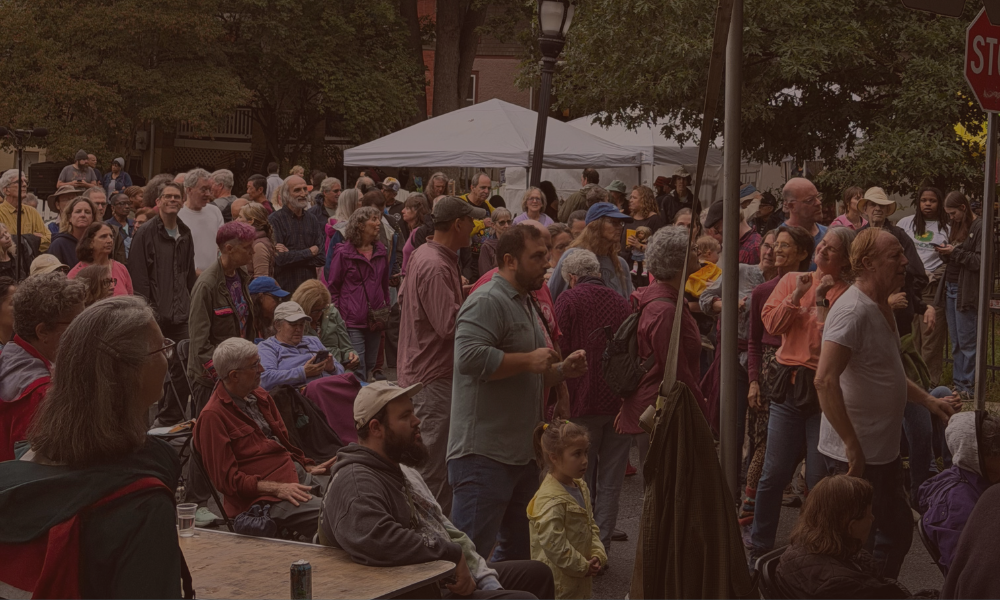
Throughout the afternoon, it drizzled on and off, and the wind seemed to be personally attacking me. Yet, despite the weather, one thing stood out more than anything else: the sheer amount of joy and community that had gathered in one place.
Dozens of families, countless local small businesses, and an impressive number of household pets had shown up to participate. I could only imagine what the turnout might have looked like on a beautiful, sunny day.
Standing there, I began to think about how much I needed that experience. I felt as though I was meant to be there, and one of the realizations that came to me was this: we have the agency to show up not only for one another but also for ourselves.
I saw this expressed in two different ways that day. Some people had chosen to stay home, rest, and enjoy their Sunday in the comfort of their own spaces. Others had bundled up, braved the weather, and ventured out to experience something together as a community.
Neither choice was inherently better than the other. Sometimes, showing up for yourself means honoring your need for rest. Other times, it means recognizing when you’ve withdrawn from the world long enough and giving yourself permission to reenter it.
For me, that Sunday, showing up meant getting out of bed.
It meant not allowing a gloomy morning, a difficult week, or a temporary dip in my emotional well-being to dictate the entirety of my day. It meant remaining open to the possibility that something good could still happen, even when the circumstances weren’t particularly inviting.
And something good did happen.
Whimsy as a Form of Freedom
The weather never managed to dim this hidden gem in the Washington, DC, area. If anything, the festival seemed to shine brightest during its live performances.
There was something beautiful about seeing people of all ages gathered together, enjoying themselves without any apparent concern for how they might look to others. Children and older adults alike were blowing countless bubbles into the sky, while people from those same age groups reached up to chase and pop them.
It was such a simple sight, yet it captured something I think we could all use a little more of in our lives: whimsy.
Not everything has to be productive. Not every outing needs to serve a larger purpose. Not every moment needs to be documented, optimized, or turned into an opportunity for personal advancement.
Sometimes, we can simply be.
We can blow bubbles. We can dance in the rain. We can listen to live music with strangers. We can laugh at something silly and allow ourselves to experience the moment without asking what it will contribute to our five-year plan.
As adults, particularly those of us trying to build meaningful careers, pursue education, manage responsibilities, and establish some semblance of stability, it can become surprisingly easy to forget how to play.
We become so accustomed to measuring our days by what we’ve accomplished that we sometimes overlook the value of what we’ve experienced.
Watching the festival unfold reminded me that joy does not always have to be earned through exhaustion. We are allowed to experience it simply because we are alive.
An Afro-Jazz Soundtrack to Community
Watching the Afro-jazz ensemble perform was when I felt the spirit of community come fully alive.
People gathered around the stage, moving to musical tributes to greats like Fela Kuti. Arms were flailing, bodies were swaying, and dance moves straight out of the 1960s and 1970s were making their way into the present day.
For a moment, I humorously thought that the scene would make an excellent commercial for pro-recreational-marijuana lobbyists.
It may not have been Lollapalooza, Woodstock, or Coachella, but the energy of freedom and uninhibited joy was undeniable.
I even remember a festival-goer playing one of those delightful bird whistles you fill with water, producing a chirping sound that fit surprisingly well into the jazz set. It was one of those small, unexpected details that made the entire experience feel even more alive.
What struck me most was how effortlessly people came together through music. There was no elaborate introduction, no prerequisite for belonging, and no need for everyone to know one another beforehand. The music created a shared experience, and the people responded to it together.
This is one of the things I appreciate about public cultural gatherings. They give us opportunities to experience community beyond our immediate social circles. We can participate in something meaningful without needing to arrive with a group of friends or already know where we fit.
As someone who had nearly talked herself out of attending, I found that particularly meaningful.
I arrived alone, but I was not alone in the experience.
And perhaps that’s one of the quiet gifts of community: it reminds us that belonging is not always something we have to arrange in advance. Sometimes, it is something we discover by showing up.
What Joy Can Teach Us About Emotional Well-Being
For much of September, I had been in a season of feeling down and out. Between the demands of work and school, the emotional weight of another birthday, and the general difficulties of navigating adulthood, I found myself struggling to access the energy and enthusiasm I wanted to feel.
When you’re in that kind of season, isolation can become particularly tempting.
You tell yourself that you’re tired. That the weather isn’t ideal. That you can always go out another time. That there will be another festival, another gathering, another opportunity to experience something different.
And sometimes, those things are true. Rest is necessary, and there are moments when staying home is exactly what you need.
But sometimes, too, we can become so accustomed to retreating into ourselves that we forget how much the world outside our immediate circumstances still has to offer.
That was the distinction I began to recognize that Sunday.
I may not have control over how much money enters and leaves my bank account—not yet, anyway—or over whether the weather cooperates with my plans. I cannot always control my mood, the demands placed on me, or the uncertainty that accompanies this stage of my life.
But I can sometimes influence what I do next.
I can choose to give myself an opportunity to experience something different. I can recognize when I’m ruminating and consider whether a change of environment might help. I can make room for the possibility of joy without demanding that every other aspect of my life be in order first.
That doesn’t mean forcing myself to be happy when I’m struggling. It doesn’t mean treating every difficult emotion as a problem to overcome or assuming that a fun afternoon can resolve deeper concerns.
Rather, it means understanding that my emotional state does not have to determine every action I take, and my difficult days do not have to define my entire life.
Sometimes, the most meaningful thing we can do for ourselves is create an opportunity for a different experience.
For me, that opportunity was a neighborhood street festival on a cold, drizzly Sunday.
We Have the Same 24 Hours, but Not the Same Circumstances
We often find ourselves with just enough energy to get up, go to work, cook, eat, and sleep, only to spend whatever remains scrolling through social media and comparing ourselves to people who seemingly have everything figured out.
We hear that we all have the same 24 hours in a day, as though time alone determines what each of us can accomplish.
But we do not all have the same opportunities, resources, responsibilities, or access to the things we need and desire within those 24 hours.
Some people have support systems that make their lives more manageable. Others are navigating financial strain, demanding work schedules, caregiving responsibilities, health concerns, or the emotional labor of simply trying to keep themselves afloat.
Even our capacity for recreation can vary depending on what we’re carrying.
This is why I think it’s important to approach the idea of showing up for ourselves with both intention and compassion. We should encourage ourselves to participate in life, but we should also recognize that participation looks different for everyone.
The goal is not to turn joy into another obligation or to shame ourselves for the days when we cannot muster the energy to do more.
The goal is to remember that our lives are made up of more than our responsibilities.
We deserve moments of connection, curiosity, laughter, and discovery, too.
And we deserve to pursue those moments without comparing our circumstances to someone else’s highlight reel.
Remembering the Ancestors, Reclaiming Our Joy
When I reflect on the people who walked, lived, and died before me, I think about the circumstances they endured and the many ways they continued to show up for one another.
I think about the ancestors whose lives were shaped by systems of oppression, economic hardship, limited opportunities, and responsibilities that extended far beyond themselves. I think about the communities that sustained one another through labor, tradition, music, storytelling, food, and shared cultural practices.
Their lives were not necessarily easier because they knew how to persevere. Nor should their struggles be romanticized or used to suggest that we must endure every hardship without complaint.
But I do find something meaningful in remembering that the people who came before us did more than survive their circumstances. They also created, celebrated, gathered, and found ways to experience life together.
They made room for community amid difficulty. They preserved cultural traditions. They passed down knowledge. They found reasons to gather, to sing, to dance, and to celebrate, even when the world around them offered little reason for optimism.
For me, that legacy is a reminder that perseverance does not have to mean living in a constant state of struggle.
We can honor those who came before us by taking our responsibilities seriously while also making room for the experiences that sustain us.
We can show up for our work, our education, our families, and our ambitions without abandoning our own humanity in the process.
We can show up for our happiness.
We can show up for our peace.
And we can show up for our whimsy.
Whimsy or Modern-Day Animism?
Which brings me to the question at the heart of this reflection: was what I experienced that day simply whimsy, or was there something more to it?
I found myself drawn to the way the festival seemed to animate the ordinary world around me. The bubbles floating through the air, the unexpected bird whistles, the music spilling into the street, the movement of bodies responding to a shared rhythm, and the rain falling intermittently over a crowd that refused to let it dictate the mood.
For a few hours, the everyday world seemed to take on a different kind of significance. Familiar things became invitations to engage, play, and connect.
I wouldn’t necessarily call that animism in the strict anthropological or religious sense. Animism encompasses diverse traditions and worldviews, many of which understand nonhuman beings and elements of the natural world as possessing spirit, agency, or personhood. It is much more than a poetic appreciation of one’s surroundings.
Still, the question intrigued me.
What happens when we stop treating the world as a backdrop to our responsibilities and begin engaging with it as something we can participate in?
What happens when we allow a breeze, a song, a passing stranger, or a handful of bubbles to interrupt our usual patterns of thought?
Perhaps the connection is not that every joyful experience constitutes animism, but that both invite us to reconsider our relationship with the world around us.
Whimsy allows us to approach ordinary life with curiosity and openness. It invites us to notice what we might otherwise overlook and to find meaning in experiences that cannot be measured by productivity or material gain.
And perhaps, for a moment, it allows us to feel less like isolated individuals moving through a demanding world and more like participants in something shared.
That Sunday, the festival reminded me that life is happening all around us, even when we are too preoccupied or discouraged to notice.
Sometimes, all it takes is stepping outside.
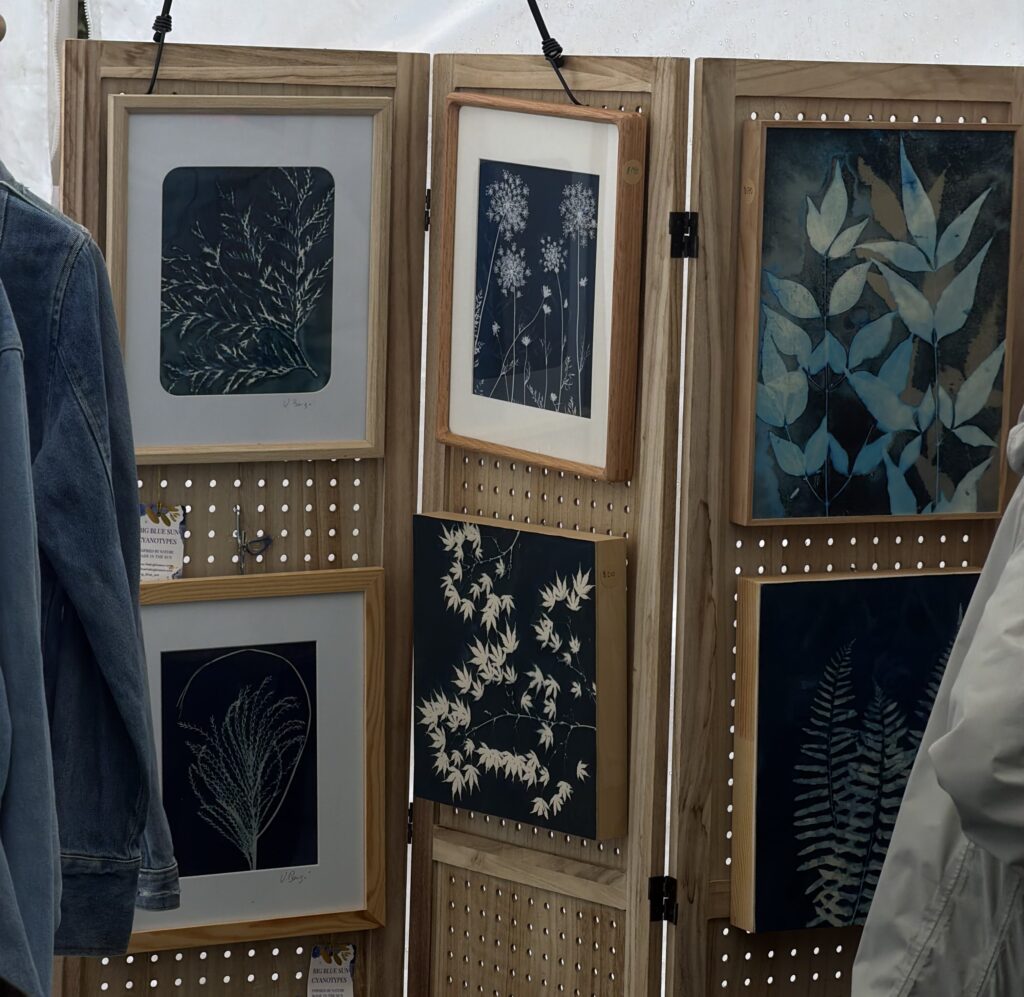
Be a Star in These Dark Times
We are living through uncertain times, and there is no shortage of reasons to feel overwhelmed by the state of the world. Between personal responsibilities, financial pressures, cultural tensions, and the constant stream of information competing for our attention, it can be difficult to protect our sense of peace.
But I don’t believe the answer is to become indifferent to the world around us. Nor do I think we need to pretend that everything is fine.
Instead, I want to become more intentional about what sustains me.
I want to pay attention to the experiences that restore my sense of connection. I want to make room for music, culture, community, and the kind of spontaneous joy that reminds me there is more to being alive than getting through the day.
I want to remember that showing up for myself does not always have to involve a grand gesture. Sometimes, it means getting out of bed after a difficult week. Sometimes, it means attending a festival alone. Sometimes, it means letting myself dance, laugh, or watch bubbles float into the sky without worrying about what comes next.
A star does not allow the darkness surrounding it to diminish its light. If anything, its light becomes more noticeable against the darkness.
And if enough stars come together, they can illuminate the sky.
That is what I experienced at the Takoma Park Street Festival: a community of people creating something bright together, despite the weather and whatever individual circumstances they may have carried with them that day.
So, fill yourself with what sustains you. Make room for the people, places, traditions, and experiences that remind you why your life is worth participating in. Allow yourself to rest when you need rest, but don’t forget to leave room for wonder.
Show up for your happiness. Show up for your peace. Show up for your whimsy.
And when you can, invite someone else to join you.
I may not have control over every circumstance in my life, but I can continue learning how to participate in the parts that are mine to shape.
That is what I took away from the Takoma Park Street Festival, and I cannot wait until next year.